Heat Recovery Ventilator – HRV
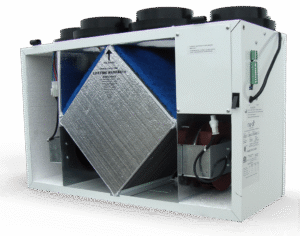
Understanding Heat Recovery Ventilators (HRVs)
A Heat Recovery Ventilator (HRV) is designed to bring fresh air into your home while exhausting stale, humid air — all while recovering heat energy that would otherwise be lost. It’s an efficient way to improve indoor air quality, control humidity, and meet building code ventilation requirements without sacrificing comfort or energy efficiency.
Meeting Code Requirements for Fresh Air
Modern building codes require homes to have adequate fresh air exchange to maintain healthy indoor environments. As homes become more energy-efficient and airtight, natural ventilation is reduced — which can lead to stale air, condensation, and even poor air quality.
Basic HRV systems are often installed to satisfy minimum code requirements, ensuring continuous fresh air supply while minimizing heat loss. These systems can be connected directly to your existing HVAC ductwork or run independently, depending on your home’s design and needs.
Whole-House Systems That Replace Bathroom Fans
A properly designed whole-house HRV system can eliminate the need for separate bathroom fans. Instead of multiple exhaust points running to the outdoors, a centralized HRV unit handles both air intake and exhaust, maintaining balanced ventilation throughout the home.
This approach not only meets code but also:
Reduces noise (HRVs are typically quieter than standard bath fans)
Improves humidity control in high-moisture areas
Prevents heat loss compared to traditional exhaust-only systems
Simplifies maintenance and increases energy efficiency
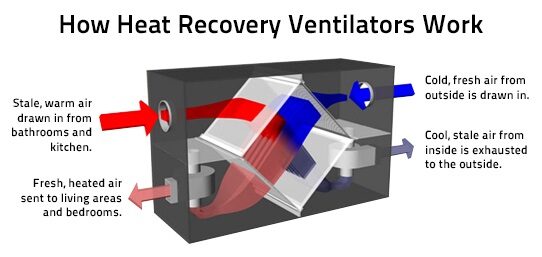
How HRV systems work:
- Pull fresh air in — The HRV draws cold, fresh outdoor air into the unit. (Yes, fresh = better than stale basement gym air.
- Exhaust stale air out — At the same time the HRV pulls used indoor air (bathrooms, kitchens, laundry) out of the house.
- Separate airflow paths — The incoming fresh air and outgoing stale air move through separate channels so they never mix. No funky smells getting in.
- Swap the heat (but not the air) — Inside the core, heat from the outgoing (warm) air transfers to the incoming (cold) air. Think of it like a polite handshake that passes warmth but not germs.
- Send warmed fresh air inside — The pre-warmed (or pre-cooled in summer, depending on model) fresh air is pushed into your living spaces.
- Release the stale air outside — After giving up its heat, the stale air is vented outdoors.
- Balanced ventilation — The system is designed so intake and exhaust are balanced, which prevents unwanted drafts, damp spots, or negative pressure that can pull in outdoor pollutants.
- Repeat continuously or on demand — HRVs can run continuously at low speed for steady fresh air, or boost when you need it (cooking, showering, heavy indoor activity).
Specialized Applications: Pools, Gyms, and Workshops
HRV systems are not limited to residential living spaces. They’re particularly beneficial in indoor environments prone to high humidity or airborne contaminants, such as:
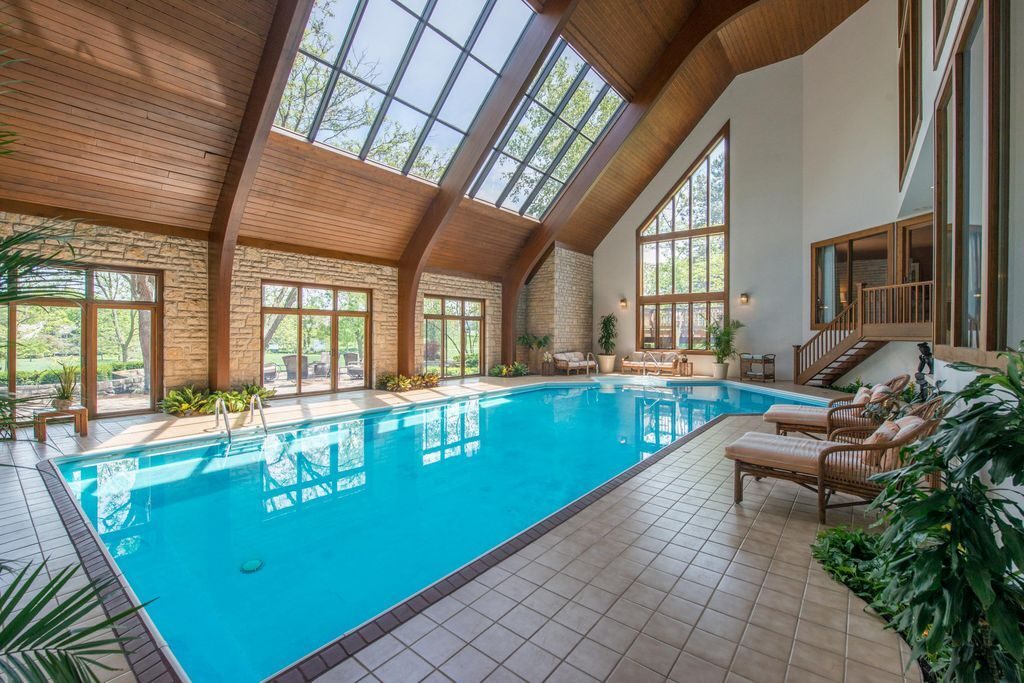
Indoor Pools: Control moisture buildup, protect structural materials, and improve comfort.
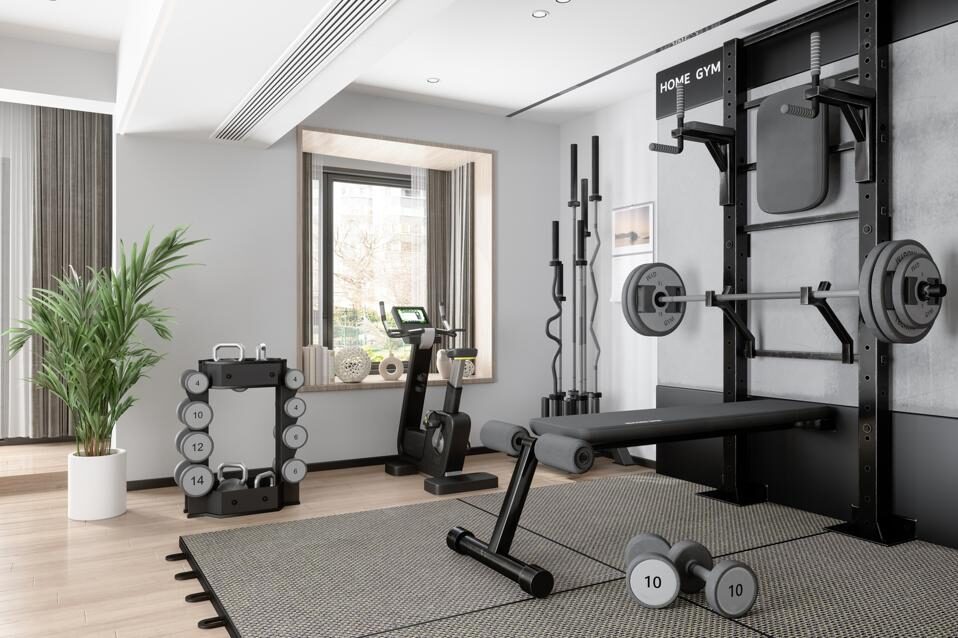
Home Gyms: Provide consistent airflow and reduce odor or humidity from exercise.
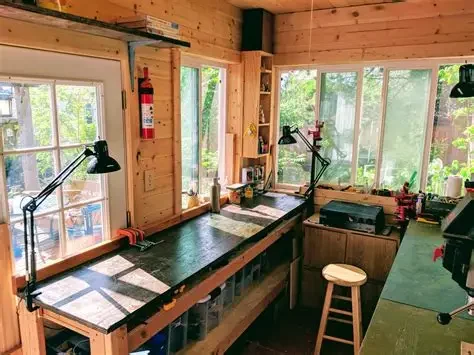
Workshops or Studios: Ventilate fumes, dust, or chemical odors while conserving heat.

Nu-Air HRVs are built for Canadian climates — reliable, durable, and energy-smart — delivering the best balance between fresh air, comfort, and performance year-round.
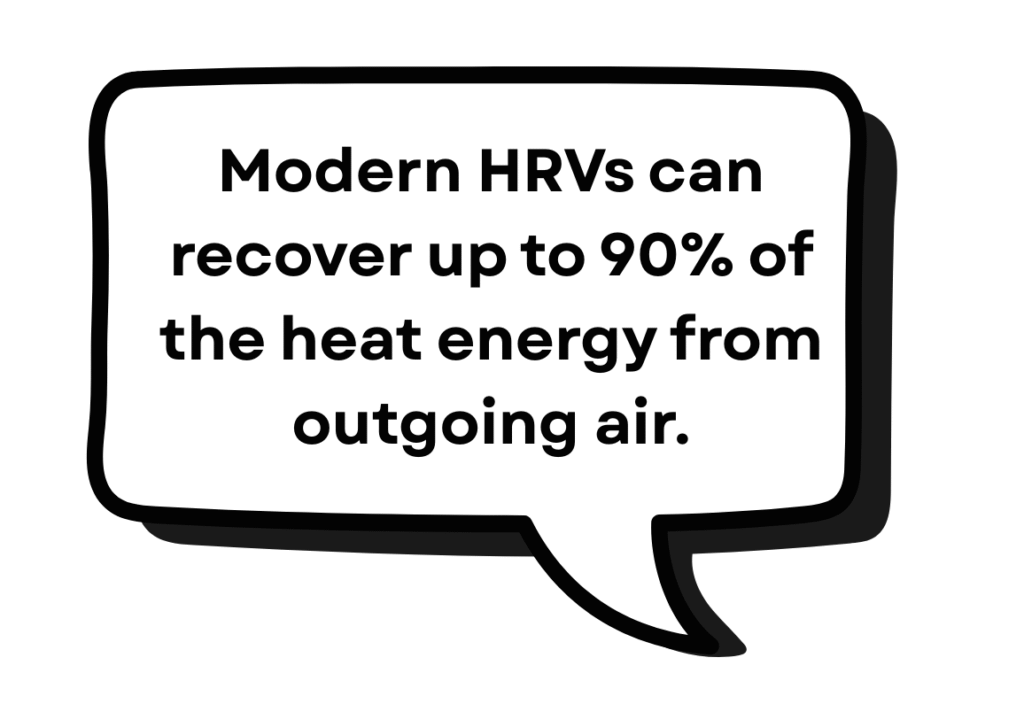
By maintaining balanced air pressure and recovering up to 70–90% of the heat energy, HRVs create a healthier, more comfortable indoor environment — especially where fresh air and moisture control are essential.
A professional balancing ensures equal air exchange — no drafts, no pressure issues.
Reach out today!

↓
✅ 1. Fresher, Cleaner Air During Workouts
💧 2. Better Humidity and Sweat Control
⚡ 3. More Energy-Efficient Ventilation
↓
💧 1. Controls Humidity and Prevents Moisture Damage
🫁 2. Improves Air Quality and Comfort
⚡ 3. Saves Energy While Maintaining Warmth
↓
🛠️ 1. Removes Fumes, Dust, and Odors
🌡️ 2. Maintains Comfortable Temperatures Year-Round
⚙️ 3. Protects Tools, Materials, and Projects
Why We Use & Recommend Nu-Air HRV / Ventilation Systems
Who is Nu-Air?
Nu-Air is a Canadian company specializing in residential and light-commercial HRV/ERV systems, controls, filters, and accessories. Nu-Air Ventilation+2HVAC Informed+2
They design “cost-effective product design, quality build” ventilation systems for homes, multi-unit buildings, and light commercial use. Nu-Air Ventilation
Their product lines include ES Series units (for homes) and more robust systems like NU500 HRV for commercial or high-ventilation-demand spaces. Nu-Air Ventilation
What Makes Nu-Air Different / Better for You
Here’s what being a licensed Nu-Air installer brings you, besides us being fancy:
-
Factory knowledge & support
As an authorized installer, we get direct access to Nu-Air’s documentation, training, and tech support. That means fewer guesswork moments or “oops, wrong wiring” events — your system is more likely to be installed right the first time. -
Genuine parts & warranty integrity
When we use original Nu-Air parts and follow their specs, your system’s warranties stay valid. (Nu-Air, for example, offers a lifetime warranty on their plastic heat-exchange core when used in residential ES Series units. Nu-Air Ventilation)
If someone else installs a third-party component or ignores requirements, you risk voiding warranty coverage. -
Better balancing & efficiency
The Nu-Air ES series comes with features to help installers balance the system more precisely — like “EZ Balance pressure ports” for measuring airflow. Nu-Air Ventilation
Balanced airflow ensures you get the maximum energy recovery and avoid stuff like “supply is too strong, exhaust is too weak” which can cause drafts or inefficiency. -
Flexibility in installation
Nu-Air units support various system configurations (fully ducted, simplified interlock, extended exhaust) and allow integration with furnace systems. Nu-Air Ventilation
Because we know all the possible ways (and pitfalls), we can pick the layout that fits your home best — not force something that “sort of works.” -
Proven performance & durability
Nu-Air units are built to be serviceable: removable covers, easy-to-reach filters, robust cores. Their documentation emphasizes proper installation, servicing, and duct design to maintain performance over time. Nu-Air Ventilation
Their reputation in Canadian climates gives you confidence that “nice marketing” isn’t just fluff.

What a Nu-Air Installation Means for You:
-
Peace of Mind — You get a system installed by someone who’s been vetted/trained to meet Nu-Air standards. Fewer surprises, less risk.
-
Better air quality & balanced ventilation — Because we’re doing proper balancing, filtering, and layout, you’re less likely to get stale corners or moisture problems.
-
Energy savings — Good installation + efficient components = more heat recovered, less loss, lower operating cost.
-
Longevity — Your system will last longer, need fewer breakdowns, and stay under warranty.