FULLY LICENSED LENNOX DEALER
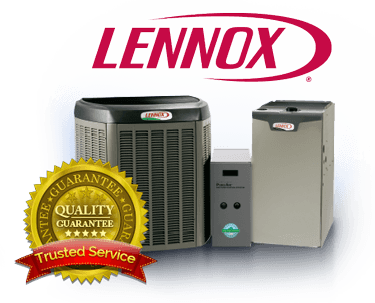
Furnaces & A/C Units
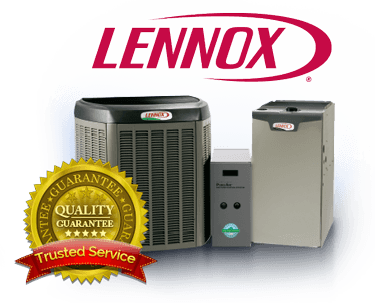
Understanding Residential Air Conditioning
Air conditioning in the home is about more than just staying cool. It can be used for a variety of reasons, ranging from health requirements to regulate conditions and diseases (for example, MS and asthma), to humidity control (AC naturally dehumidifies the air), and of course, for general comfort..
Furnaces
A furnace is one of the most important components of your home’s comfort system. It not only provides heat during cold months but also plays a major role in air circulation and indoor air quality year-round.
Furnaces can be used for a variety of reasons beyond comfort — including health requirements for individuals sensitive to cold, humidity regulation (many furnaces integrate humidifiers), and energy efficiency improvements that help reduce long-term heating costs.
Types of Air Conditioning Systems
Conventional Split Systems
Conventional split systems consist of two main parts:
-
Outdoor Condensing Unit – where the refrigerant is cooled down and condensed into a liquid.
-
Indoor Evaporator – typically located in the air handler (such as a furnace or fan coil).
All outdoor units consist of three core components:
-
Condenser Coil: A copper tube with aluminum fins that acts as a radiator.
-
Compressor: Pulls the evaporated refrigerant (superheated vapor) back from the house and compresses it into a high-pressure gas, encouraging condensation in the condenser coil.
-
Condenser Fan Motor: Moves air over the condenser coil to transfer heat and release it outdoors.
Conventional split systems are ideal for homes with existing ductwork, offering efficient cooling for multiple rooms through a central system.
Ductless Split Systems
Ductless systems also have two main parts:
-
Outdoor Condensing Unit – same function as the conventional system.
-
Indoor Unit – specifically designed to pair with the outdoor unit.
Indoor units come in different orientations depending on space and design needs:
-
High Wall Cassette – mounted high on a wall for even air distribution.
-
Baseboard Style – often seen in hotels or multi-unit buildings.
-
Ceiling Tile Lay-In – fits into a 2’x2’ drop ceiling (common in offices).
-
Thin Fan Coils – designed to attach to ducts above ceiling tiles.
Ductless systems are generally more efficient and quieter than conventional systems but do not utilize central ductwork. They are a great choice when ductwork isn’t available or feasible.
Why Regular Maintenance and Upgrades Matter
Keeping your AC in top shape ensures:
-
Optimal performance and energy efficiency
-
Longer equipment lifespan
-
Improved indoor air quality
-
Consistent comfort throughout your home
Upgrading your system can provide quieter operation, better energy savings, and improved humidity control. Regular service contracts help prevent unexpected breakdowns and keep your system running smoothly year-round.
Types of Furnace Systems
Gas Furnaces
One of the most common and efficient types of residential heating systems. Gas furnaces operate by burning natural gas to heat a heat exchanger, which warms the air before it’s distributed through your home’s ductwork.
Key components include:
-
Burners: Deliver and ignite the gas to produce heat.
-
Heat Exchanger: Transfers heat from combustion gases to the air that circulates through your ducts.
-
Blower Motor: Pushes the warm air through your home’s ventilation system.
-
Flue or Vent Pipe: Safely exhausts combustion gases outdoors.
Modern high-efficiency furnaces can reach AFUE ratings of 95% or higher, meaning nearly all the energy used goes directly into heating your home rather than being lost through exhaust.
Electric Furnaces
Electric furnaces use heating elements instead of combustion to generate warmth. While often more expensive to run, they can be an excellent option in areas without access to natural gas or where installation costs are a concern.
Advantages:
-
Cleaner operation — no combustion gases or venting required.
-
Lower installation cost.
-
Consistent heat output.
Modulating and Variable-Speed Furnaces
These advanced systems automatically adjust the flame size or blower speed to match your home’s exact heating needs. The result is:
-
Even temperatures (no more hot and cold spots)
-
Lower energy consumption
-
Quieter operation
They’re particularly beneficial for homeowners looking to improve comfort and efficiency without frequent temperature fluctuations.
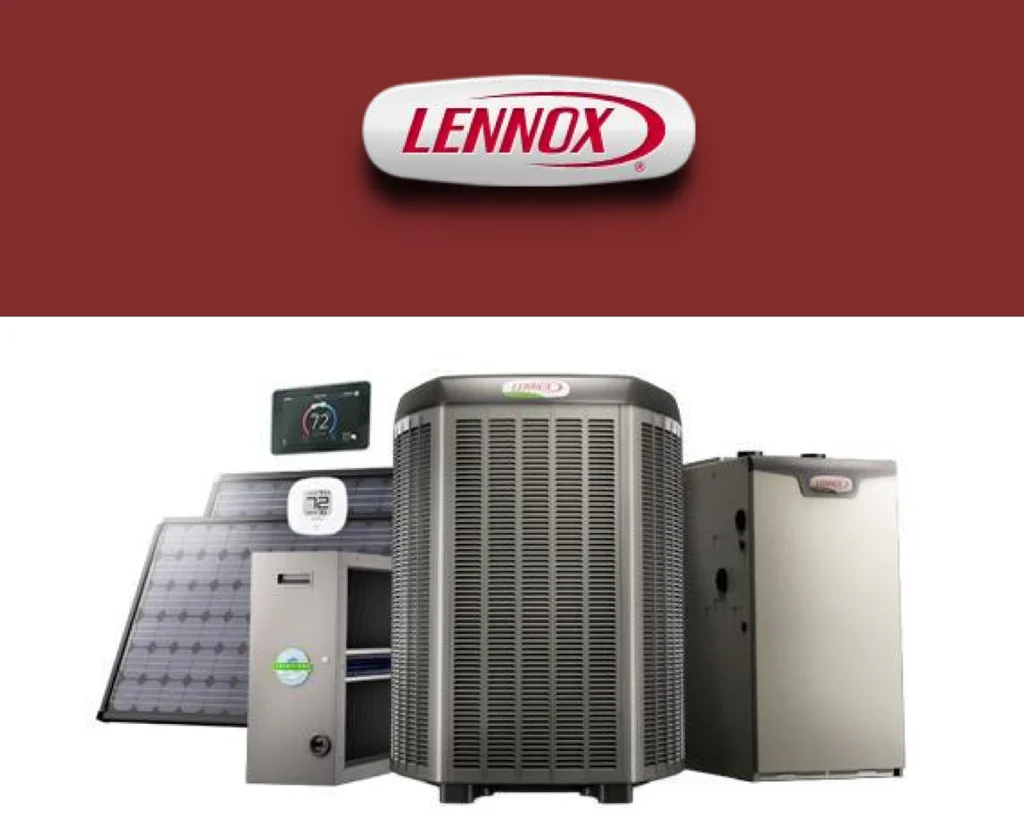
What It Means to Be a Fully Licensed Lennox Dealer
↓
Lennox dealers are authorized to offer the complete line of Lennox heating, cooling, and indoor air quality products, along with access to genuine parts and warranty support. This designation reflects a commitment to craftsmanship, reliability, and long-term performance — giving homeowners peace of mind knowing their comfort system is backed by one of the most trusted names in the industry.
Why Maintenance and Upgrades Matter
Regular maintenance and timely upgrades ensure your furnace operates safely, efficiently, and reliably — especially during Alberta’s coldest months.
Benefits of ongoing care include:
-
Increased energy efficiency and lower utility bills.
-
Improved air quality through clean filters and balanced airflow.
-
Prolonged equipment life and fewer emergency repairs.
-
Consistent comfort and peace of mind knowing your system is operating safely.
If your furnace is more than 15 years old, upgrading to a modern high-efficiency model can dramatically reduce energy use while improving comfort and air quality throughout your home.